12 JAN 2017
#LetrasMacabras: Bernardo Couto Castillo, among the shadows of literature
By: Diego Vílchis.
From its origins, horror in Mexican literature is diffuse and, I dare to think, also hidden. To consider the genre embedded within the letters of our country is to immediately trace back through the last three decades, passing through various anthologies and writers, as well as stories and studies on fear and the macabre in the Spanish language.
However, I find particular interest in looking even further back, in my own attempt to map out the sporadic and unfocused activity that converges on horror. We pass through fantastic literature, which, although an experimental field for many writers, wanders among its many favorite themes—the supernatural, psychic disturbances, and the strange—elements that fear has been able to weave into beloved horror stories.
Decadentism in Mexico, within the framework of fantastic literature, emerged at the end of the 19th century, characterized by its “eroticisms and obscenities, bloody deliriums and terrifying chimeras, satanism, or the systematic cult of evil, the morbid delight in the horrifying or corrupted.”[1]
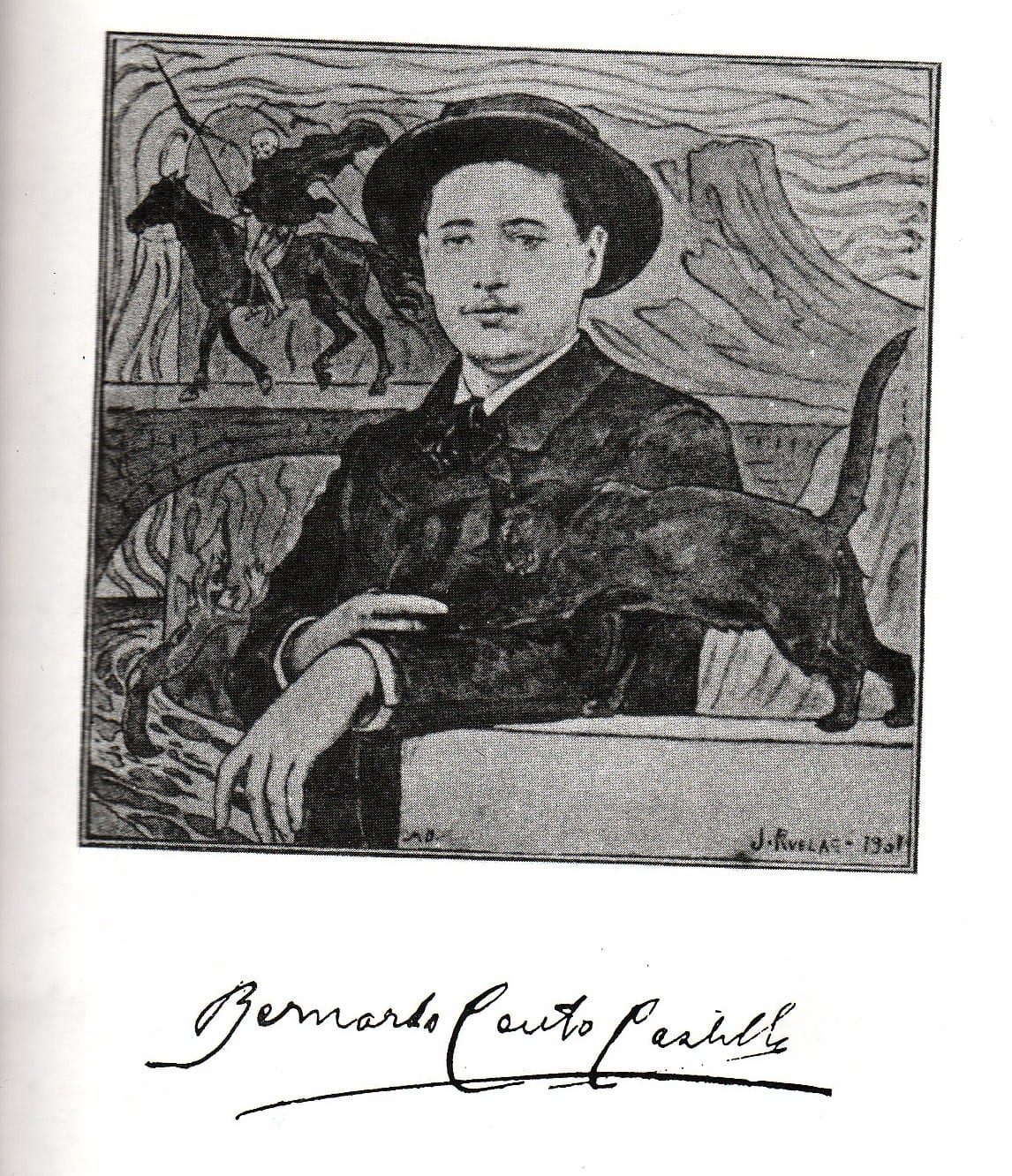
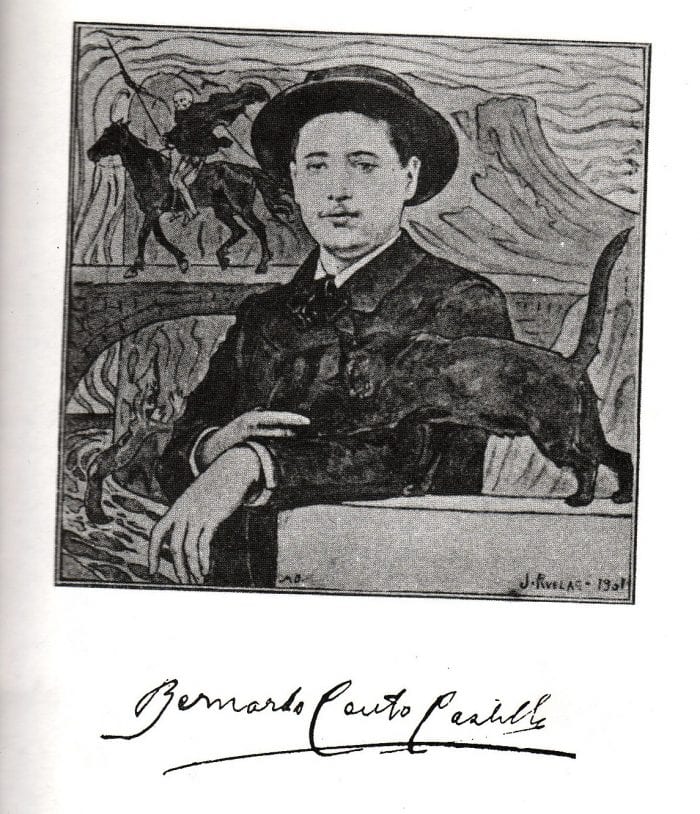
One of the most notable writers was Bernardo Couto Castillo (1880 – 1901). With a brief career, he was one of the founders of the Revista Moderna, where several writers of that circle found an outlet to publish their work. Couto Castillo died young from drug abuse[2], leaving his literary legacy unfinished, reduced to a single book, Asfódelos (1897), at the age of seventeen, comprising twelve stories, all of them published during his time at the Revista Moderna.
Inspired by the literature of Edgar Allan Poe and Guy de Maupassant, among other writers, we find in Couto Castillo's work a fascination with death, present in all of his stories, manifesting itself as a quest or causality, as a morbid encounter and a final horror, one that at times even challenges the psyche.
In Asfódelos two fitting stories stand out. “Rayo de luna” is told by its narrator, who is presumably in an insane asylum. He recounts a supernatural encounter that occurs only during the full moon in his room, leaving him at the mercy of his fragile nerves. “Lo que dijo el mendigo,” in my view a visceral story, explores another encounter, just as impossible—if not more so—than the first, set against a nihilistic atmosphere and a reflection on death: someone who has died and returned to tell the tale, the final encounter being the physical expression of death itself: the putrid.
Bernardo Couto Castillo belongs among that shelf of writers obscured by a shadow worth dispelling, so we might venture into those desolate, somber passages that offer us a little-known perspective on horror within our own literature.
[1] Corral Rodríguez, Fortino, Senderos ocultos de la literatura mexicana, Madrid, 2011, p. 233.
[2] Pavón, Alfredo, El alucinante mundo de Bernardo Couto Castillo, in Texto Crítico, January – June 1988, no. 38, p.90