18 DEC 2019
#2019: This Was Our Macabre Year
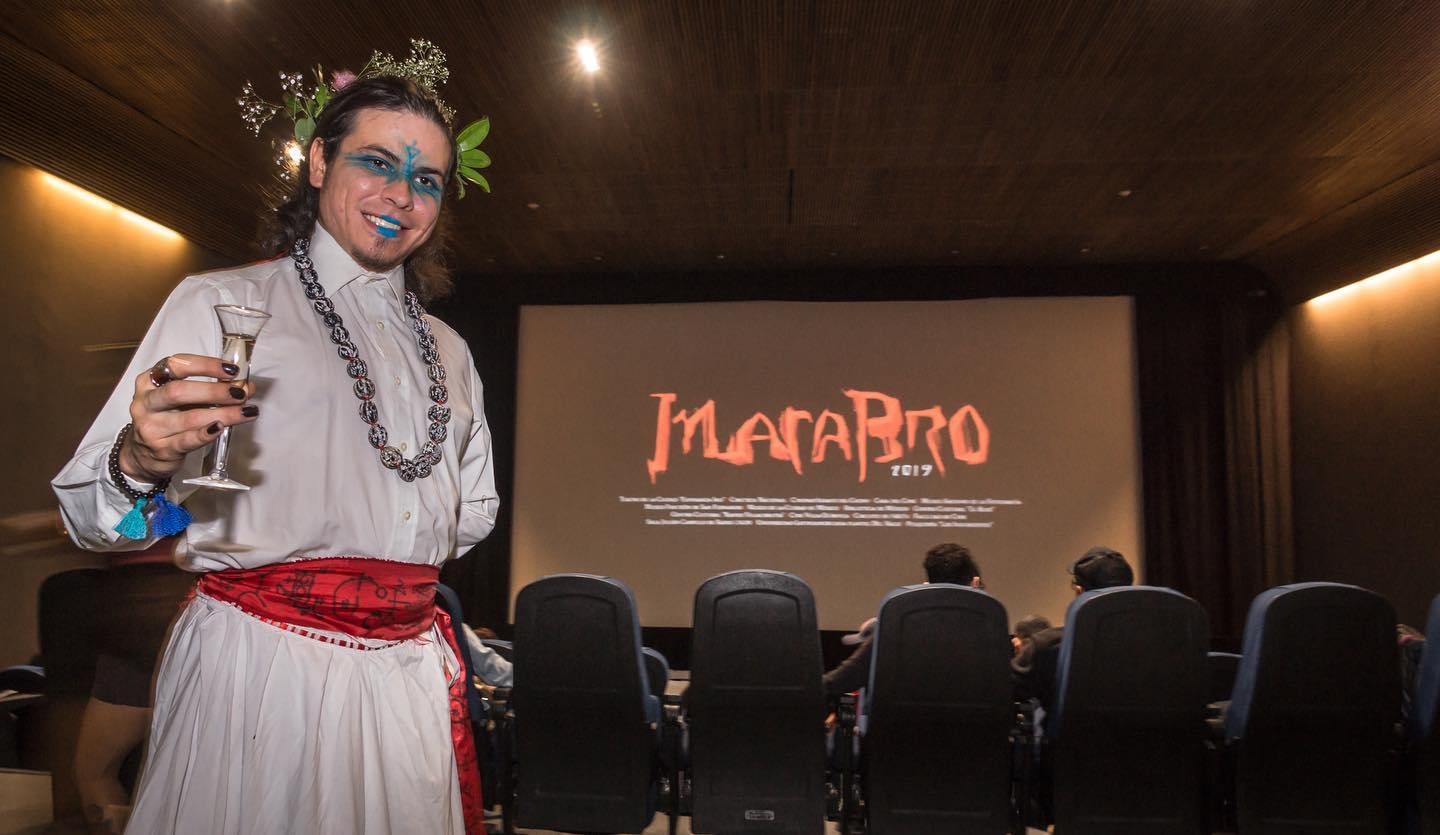
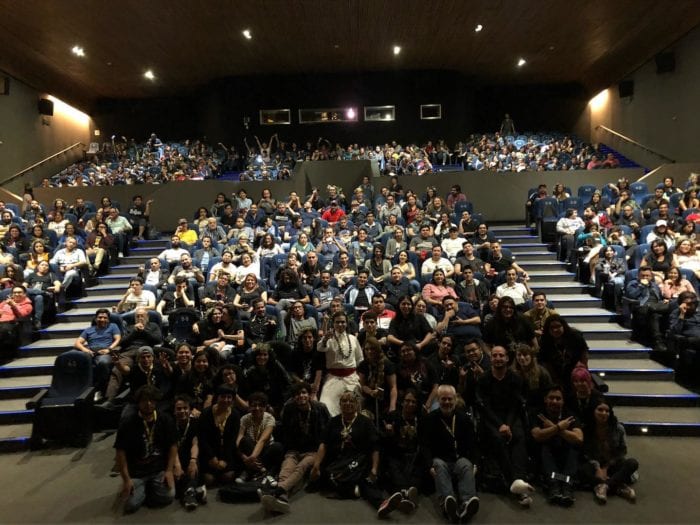
From August 21 to September 1, 2019, Macabro emerged in the city with an inclusive celebration of horror cinema that engaged specialized and cinephile audiences, media outlets, the film community, moderated sessions with guests, master classes, training activities, music, retrospectives, tributes, parties, music, and tourism promotion, establishing it as the largest festival of its kind in Mexico.
Macabro continues in its essence as an independent cultural project backed and recognized by the Mexico City government...
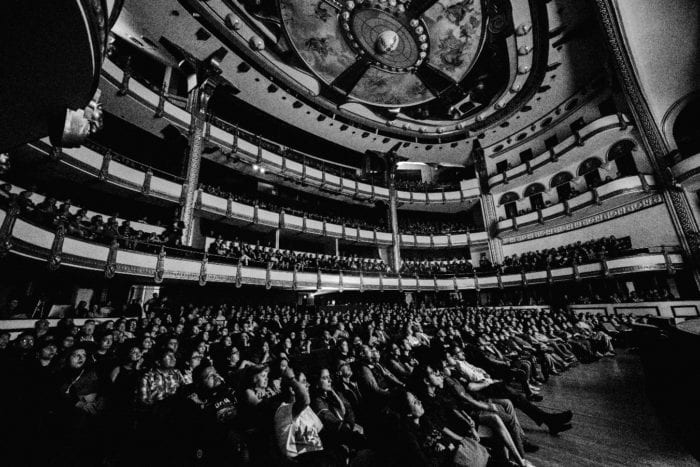
Main Venues
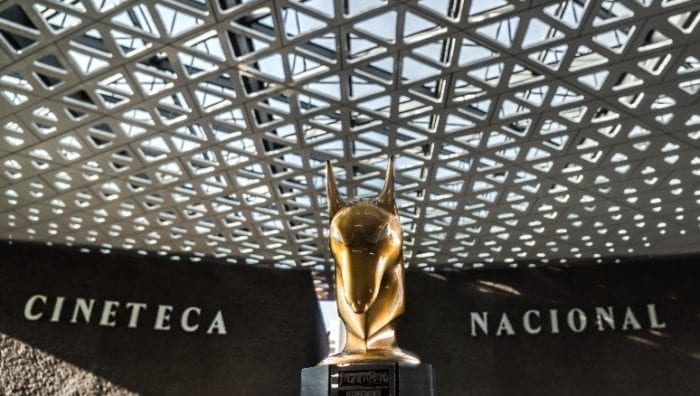
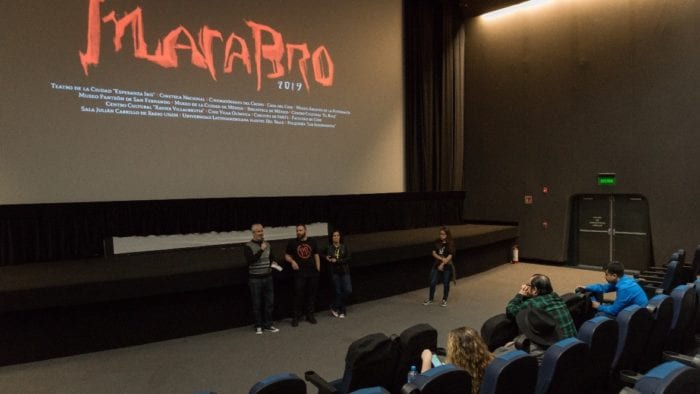
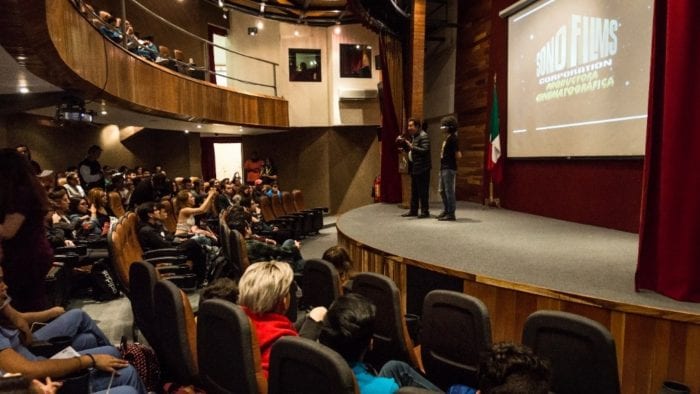
The Festival holds its venues and carries out its activities in strategic areas of Mexico City, home to numerous restaurants, bars, bookstores, cafés, galleries, and cultural centers that serve as important meeting hubs for residents and visitors alike. Our main venues this year were: Teatro de la Ciudad “Esperanza Iris,” Cineteca Nacional, Cinematógrafo del Chopo, Casa del Cine, Museo Archivo de la Fotografía, Museo de la Ciudad de México, and the Biblioteca de México.
Alternative Venues in Mexico City
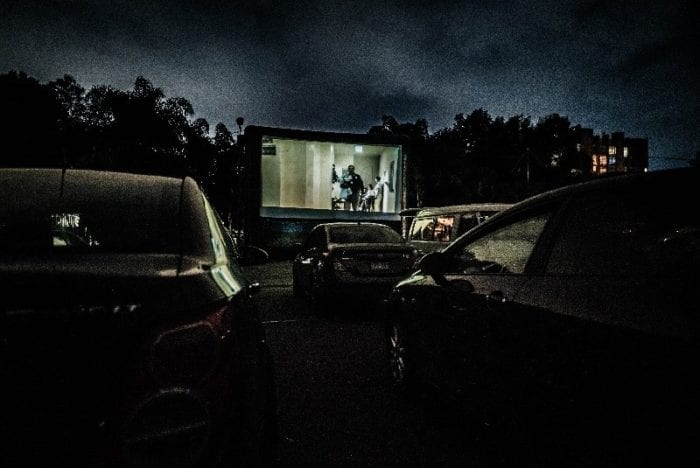
The festival also brought its programme to less central film clubs and theaters throughout Mexico City, so that its offerings could reach other audiences who, due to distance, limited time, and/or situations of vulnerability, could not attend the festival's main activities.
These venues included: Cine Villa Olímpica, the Xavier Villaurrutia film club, the “El Rule” cultural center, the Julián Carrillo hall at Radio UNAM, and the Faro de Oriente.
Procine Venue Tour and Screenings for Vulnerable Audiences in Mexico City
As part of this, Macabro held screenings at cultural centers, schools, Pilares centers, alternative spaces, film clubs, and the Faros circuit.
Presence in Other States, Countries, and Collaborations with Other Festivals
This year, Macabro had a presence in other states and countries through collaborations with festivals:
- Aurora: Guanajuato International Horror Film Festival - Guanajuato, March
- Oro Negro – Veracruz, April
- Caóstica – Bilbao, Spain, June;
- Santiago Horror Film Festival – Santiago, Chile, October
- Cinetekton – Puebla, November
- Festival Internacional de Cine de Terror y Fantásico de Córdoba – Córdoba, Argentina, November.
Likewise, festival showcases were presented in:
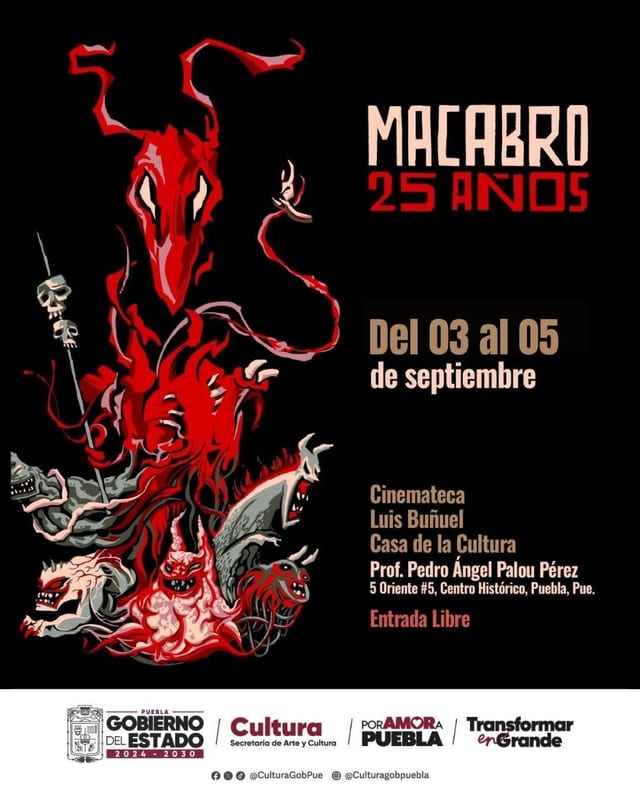
- Cinemateca Luis Buñuel – Puebla, October.
- Film Club Café – Edo. de Mex., October and November.
Programme
Macabro's programme is made up of sections that, over eighteen years of existence, have showcased the very best of independent contemporary horror cinema; tributes to its most outstanding creators; and retrospectives that help us understand the history of horror cinema and its influence on world film. Macabro is the only festival of its kind that seeks to reconcile auteur cinema with genre cinema, aiming to bring diverse audiences together in a single space.
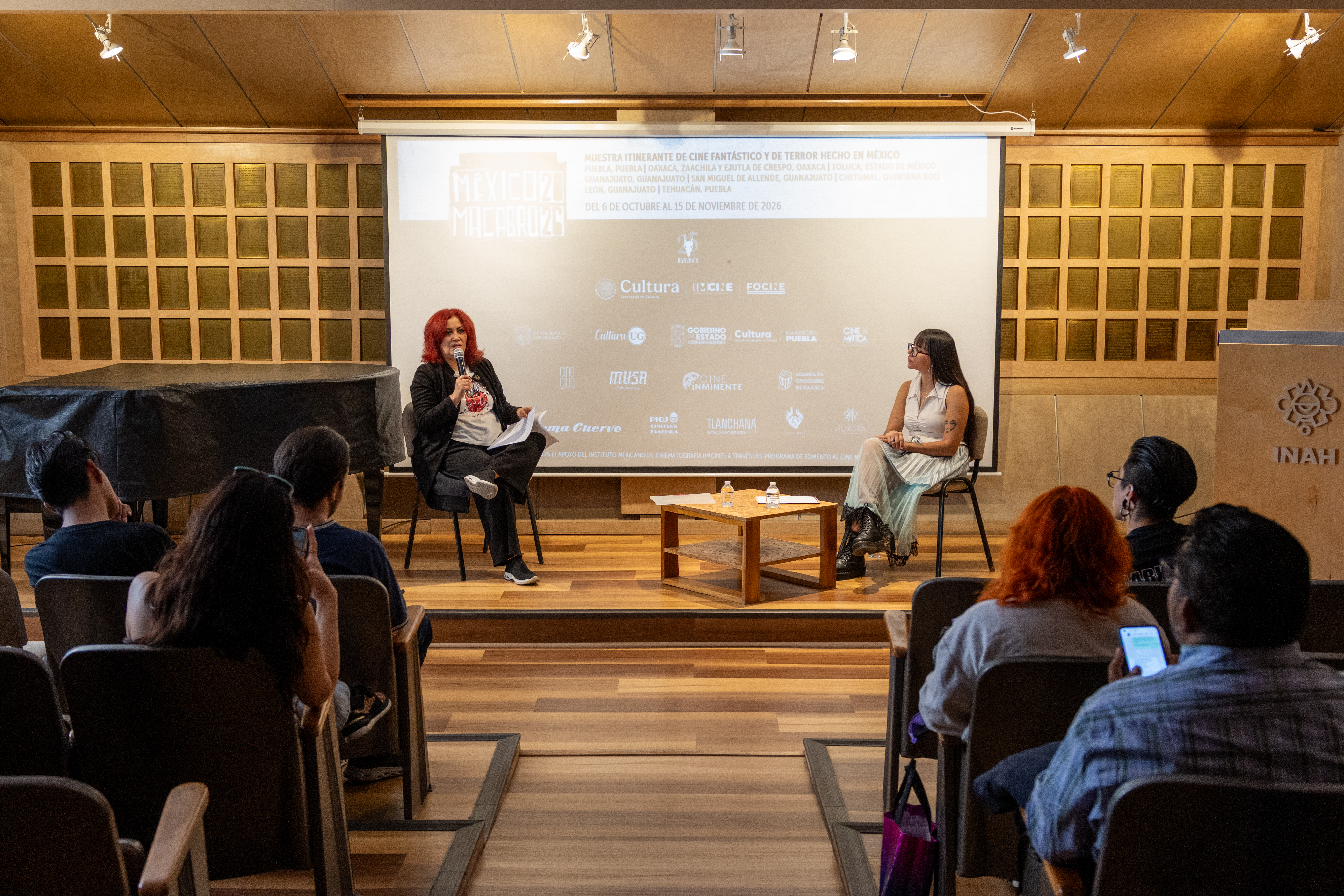
We also work to build a programme made up of the most outstanding contemporary national and international horror cinema, along with conferences on the current state of genre cinema in our country from a range of perspectives (media, production, management, and promotion).
Macabro's standing as a pioneer of the genre gives it a privileged place on the festival scene, allowing it to welcome internationally acclaimed Mexican and international actors, actresses, directors, and producers; MACABRO has likewise made room for independent, low-budget, and cult films, silent classics, documentaries, and experimental films, among others.
Among this year's guests, we were joined by Julian Richards, Tom Botchii, Patrick Cunningham, Perry Blackshear, Jeremy Gardner, Gabriel Vilandré, René Shweitzer, Armen Aghaieian, Fernando Alle, Alejo Rébora, Andrés Kaiser, César Demian, Carl Zitelmann, Helena Aguilar, Nicole Katzew, Alex Hernández, Emilio Portes, Leopoldo Laborde, Sofía Carrillo, Viviana García Besné, and this year's honored director, Jairo Pinilla.
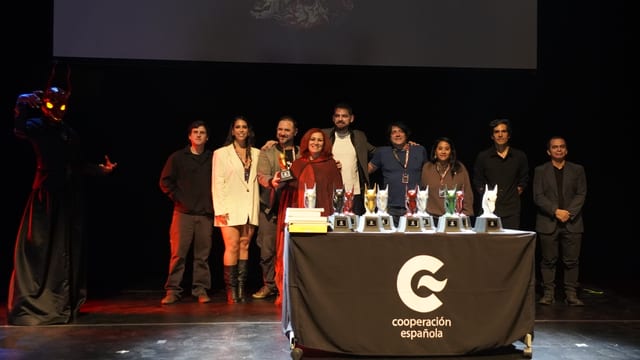
Awards
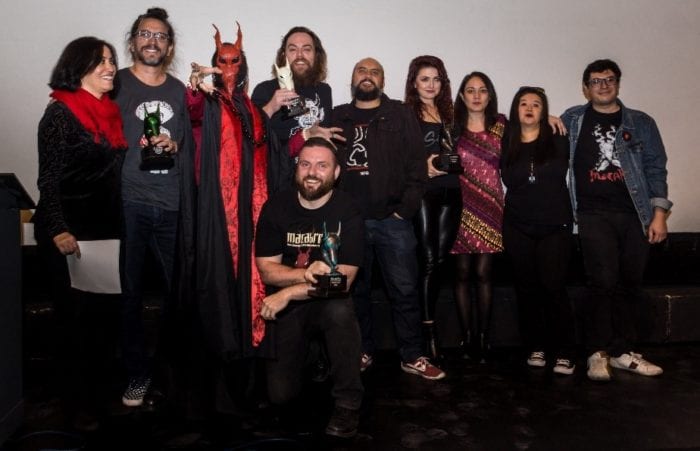
Best International Horror Short Film:
LA PROEZA
Direction: Isaac Berrocal
2018 Spain
Honorable mention:
LILI
Direction: Yfke Van Berckelaer
2019 Netherlands
Jury: Sharon Toribio and Sandra Becerril
Best Animated Horror Short Film:
WILD LOVE
Direction: Paul Autric, Quentin Camus, Léa Georges, Maryka Laudet, Zoé Sottiaux, Corentin Yvergniaux & Julien Deparis
2018 France
Honorable Mention:
VIVA EL REY
Direction: Luis Téllez
Mexico 2017
Jury: Carlos Narro and Pablo Ángeles
Best Mexican Horror Short Film:
LA BRUJA DEL FÓSFORO PASEANTE
Direction: Sofía Carrillo
Mexico 2018
Honorable mention:
¿QUÉ HARÍAS?
Direction: Nicole Katzew
2019 Mexico
Jury: Rafael Martínez and Ernesto Martínez
Press award.
ARTIK
Direction: Tom Botchii
2019 USA
Honorable mention
EN EL POZO
Direction: Bernardo Antonaccio and Rafael Antonaccio
2018 Uruguay
Jury: Nicolás Ruiz, Jesús Chavarría, and Sergio López
Audience award.
SOMETHING ELSE
Direction: Jeremy Gardner and Christian Stella
United States | 2019
Best Ibero-American Feature Film:
GHOST KILLERS VS. BLOODY MARY
Direction: Fabricio Bittar
Brazil 2018
Honorable mention:
Alex Winter
Screenplay and direction: César Demian
Best director:
Rudy Riverón Sánchez
¿ERES TÚ PAPÁ?
Jury: Iván Contreras, Adriana Chávez, and Salomón Reyes
Best International Feature Film,
THE HEAD HUNTER
2018 Portugal | USA
Direction: Jordan Downey
Best director:
Kirill Sokolov
WHY DON’T YOU JUST DIE?
Jury: Raúl Ojánguren and Casandra Vicario.
Tributes and Retrospectives
JAIRO PINILLA
Jairo Pinilla holds the undisputed title of father of horror, suspense, and science fiction in Colombia, a key figure in Latin American B-movie cinema who explores the absurd and the bizarre, the origin of evil, and the fears of his era. His films were made on shoestring budgets — evident in the rough edges of the production — yet at the same time reveal ingenuity and resourcefulness in solving the technical challenges of filmmaking by introducing new visual techniques
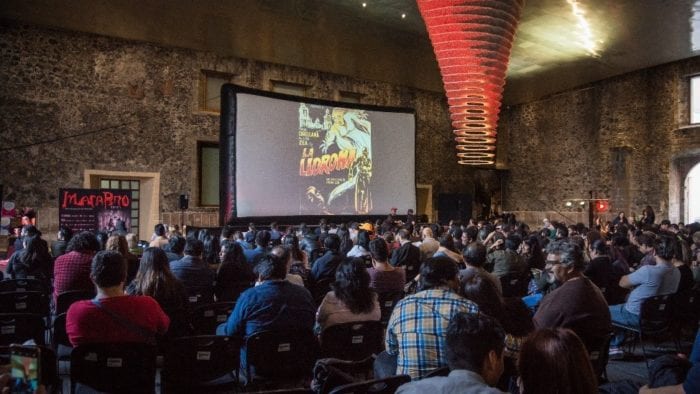
PRESENTATION OF THE RESTORATION OF LA LLORONA
The film archive Permanencia Voluntaria presents the premiere of the restoration carried out by The Academy Film Archive, Cine Fantástico, Filmoteca de la UNAM, and The Hanson Institute.
The film that launched the horror genre in our country. A production whose story pits superstition against logic through scenes featuring some of the most striking special effects of its time.
200 YEARS OF THE VAMPYRE BY JOHN WILLIAM POLIDORI
One of our celebrations focused on marking 200 years since the publication of the story “The Vampyre” by William Polidori. In his honor, Macabro presented a marathon curated by Casandra Vicario featuring films starring that bourgeois vampire, including great classics such as: The Fearless Vampire Killers (Roman Polanski, 1967), The Hunger (Tony Scott, 1983), and Interview with the Vampire, among the most popular.
This retrospective was rounded out with the podcast: 200 Years Since the Publication of “The Vampyre” by John William Polidori.”
https://macabro.mx/2019/pelicula/podcast-el-vampiro-de-john-william-polidori/
THE SOULS THAT KEEP CALLING: GHOST FILMS
Amid unassimilable losses, sickly love affairs, perverse obsessions, or the ever-irresistible challenge of the intangible, this is a look into the ghostly world that cinema has explored so often since the earliest works of Méliès. This is a look at how different cultures have envisioned belief in spirits. From the bloodthirsty, ravenous family relationship in Dos Hermanas, through the icy Nordic tale of The Phantom Carriage, a film that was groundbreaking at the time for its advanced use of flashbacks, to the classic legend of the wandering woman who mourns her children in the streets (of seemingly any Mexican city).
Mexico Macabro
This year, Macabro presented its out-of-competition contemporary Mexican cinema section, featuring Belzebuth, the most recent film by director Emilio Portes and his first in the horror genre. Nathael is the second feature film by Leopoldo Laborde, filmed in 1993, in which he indulged in experimenting with the genre and a newly discovered filming technique.
Finally, the short-film programme by animation director Sofía Carrillo was presented; she has a remarkable talent for telling family stories and recounting legends full of pain about death and loss, with an extraordinary gift for bringing objects, characters, and puppets to life.
Academic Activities: Día Macabro
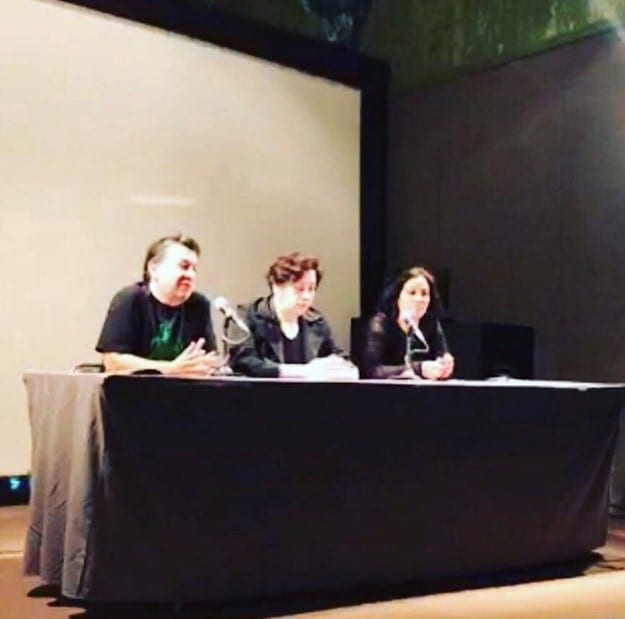
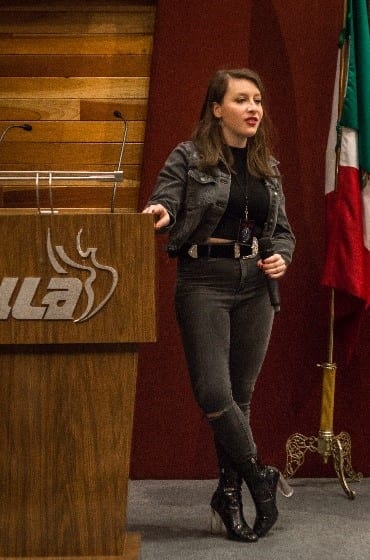
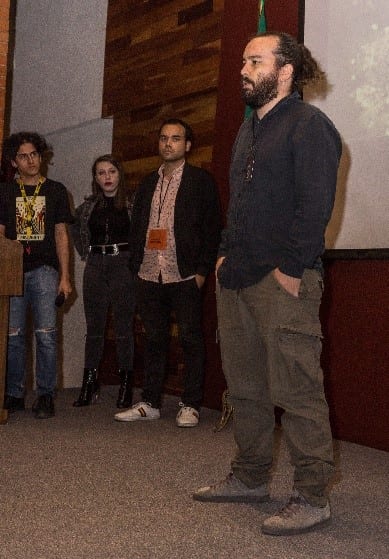
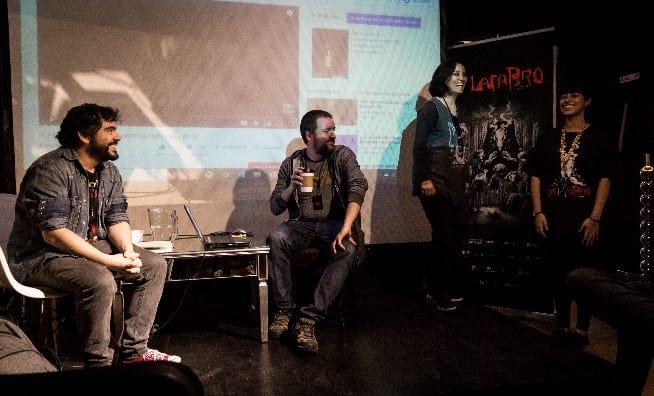
Día Macabro emerged during our fifteenth edition to connect industry professionals, creators, students, and audiences interested in the production, filmmaking, and landscape of horror cinema in Mexico and around the world. With national and international guests, and given the success of these activities, Macabro dedicated an entire day at the Universidad Latinoamericana to conference presentations, a conversation with Colombian filmmaker Jairo Pinilla, and a meeting with Mexican short-film directors, who spoke with the university's students to build a bridge between professional creators and film students and those in related fields.
Macabro LAB
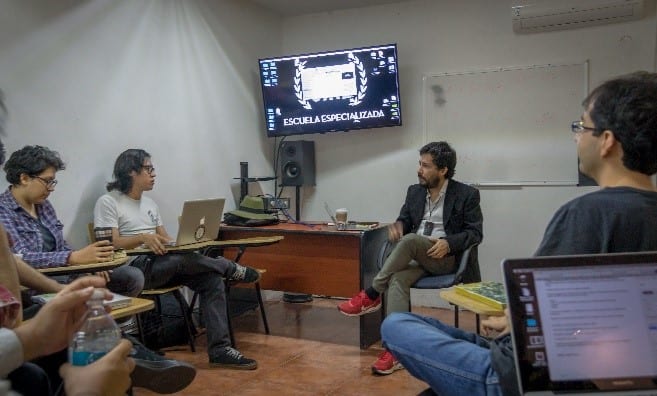
Macabro Lab was born in 2014 as an initiative of its own, in partnership with Nuevas Resonancias and the Sociedad Mexicana de Directores y Realizadores de Obras Audiovisuales, with support from IMCINE. In its first two editions (2014 and 2015), it operated under a new model that sought to bring the community of emerging filmmakers, producers, and screenwriters closer to a platform for training, refinement, and development of genre work.
With the goal of relaunching this project, the Macabro Lab horror film seminar was created, taught over 3 consecutive days by renowned filmmakers and specialists from the national and international genre film circuit. The sessions were held at the Facultad de Cine and ran alongside the eighteenth edition of Macabro Fich.
By the Numbers
Number of films: 148 films
Screenings during the main showcase: 150
Number of attendees: approx. 40,000
International films: 105
Mexican films: 50
Main venues: 8
Alternative venues and film clubs: 8
International guests: 15
National guests: 15
Institutional support: 5
Sponsors: 23
Media partners: 9
Press mentions: 233
Total value of media coverage: 12,996,819