2 NOV 2017
10 Mexican Horror Films to Watch for #DiaDeMuertos

By Iván Farías
Narrator and film critic, columnist for Playboy México magazine. He is currently promoting his latest novel, Un plan perfecto.
Out of ignorance or sheer inferiority complex, we Mexicans undervalue our own cinema. Once, a researcher from the Cineteca de Madrid confessed to me the absolute admiration he felt for our filmmaking: you had an industry, studios, and your film archives and cinematheques are enormous, he said, quite moved. So is our cinema. In recent times it has had several box-office successes and has begun producing quality films on a regular basis: Somos lo que hay, Atroz, Los parecidos, Vuelven, and many others. Below is a list of 10 must-see productions for every fan of macabre horror.
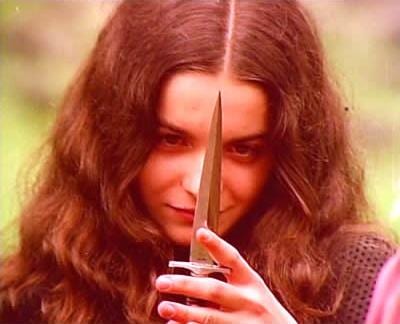
10.- Alucarda. Dir. Juan López Moctezuma, Mexico, 1978
Loosely based on Carmilla, the vampire novel by Joseph Sheridan Le Fanu, this is the most accomplished work of that genius named Juan López Moctezuma. In it, a strange production design mixes with a satanic madness that even leaped from the filming into real life, when the fire at the end left several people injured during the shoot. It marked the beautiful Tina Romero's first foray into film, one that would turn her into a cult actress at the age of 17.
9.- El espejo de la bruja. Dir. Chano Urueta, Mexico, 1972
Written by Alfredo Ruanova and Carlos Enrique Taboada, this film flips the witch trope on its head, because, contrary to what usually happens, the sorceress doesn't cause harm but instead tries to undo terrible deeds, with a macabre touch. Isabela Corona perfectly embodies a woman with magical powers who chooses to pass herself off as a simple housewife. This film makes clear how well Taboada understood the world of women and how skillfully he exploited the violence inflicted on them, casting the husband as the villain.
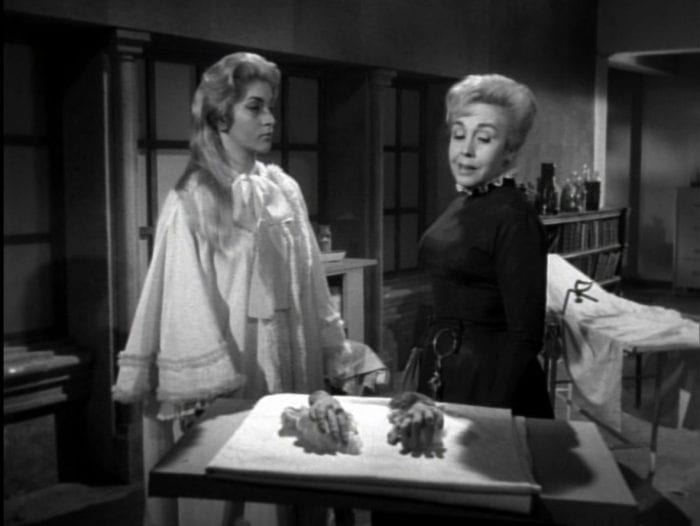
8.- El escapulario. Dir. Servando González. Mexico, 1968.
The peculiar Servando González, who filmed the Tlatelolco massacre on the army's orders, made this horror story in the style of 19th-century tales, in which a sacred object, the scapular of the title, protects its wearer from death. González makes use of fragmented narrative, subjective camerawork, and dreamlike cinematography to tell us a ghost story set during the Mexican Revolution.
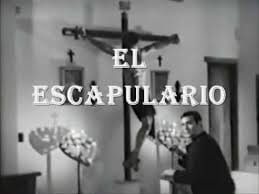
7 - Hasta el viento tiene miedo. Dir. Carlos Enrique Taboada. Mexico, 1968
After a few unsuccessful attempts as a director, Taboada delves into what he knows best: the world of women, ghost stories, and, of course, revenge. With a few touches of the Italian cinema of the era, he manages to tell us a story of lesbian love from beyond the grave inside a girls' boarding school. A film so good that not even the dreadful remake they made of it could ruin it.
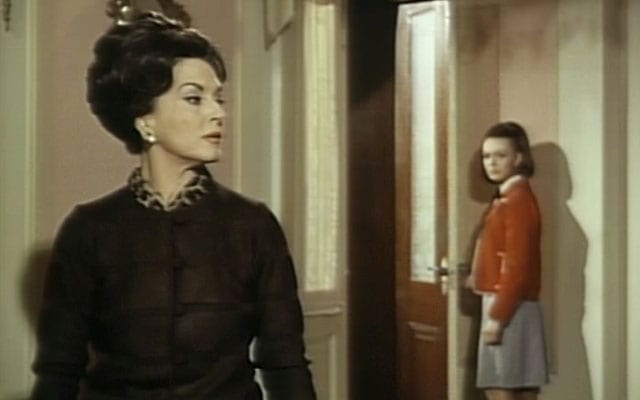
6.- Bestia nocturna. Dir. Humberto Martínez Mijares. Mexico, 1983
A slasher film with a touch of a road movie. Stumbling between a suspense film and a border film, this strange movie wastes a psychopathic killer just to give more screen time to the film's only star, Laura Flores. So why is it on this list? Because of the Bestia nocturna of the title. When this enormous monster appears on screen, it robs us of sleep. Dressed in military garb and wearing a motorcycle helmet, it is unstoppable, sadistic, and we never learn anything about it, which makes it memorable and left waiting for a more capable director.

5.- Ladrón de cadáveres. Dir. Fernando Méndez, Mexico, 1945
Méndez was always a visionary director, heir to German expressionist cinema, who knew how to blend national themes with a mise-en-scène that captivated audiences. Here he steps into the world of lucha libre and gives us a mad doctor worth remembering. The ending, indebted to King Kong, leaves a bittersweet taste in our mouths.
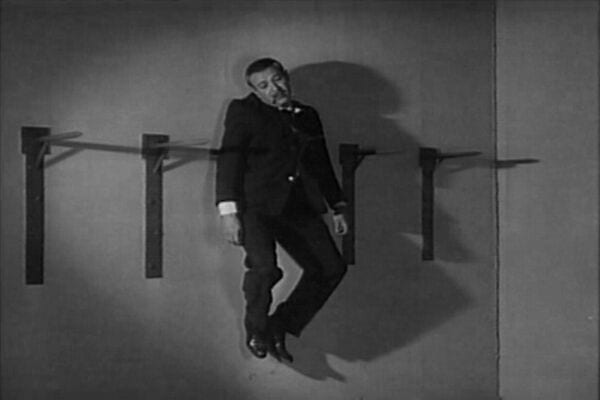
4.- Cronos. Dir. Guillermo del Toro. Mexico, 1993.
The feature debut of a filmmaker from Guadalajara, into which he poured everything he had. The story of Jesús Gris, a third-world vampire brought back to life by a device created during colonial times, already revealed his gift for telling dark stories with a different flavor. The film moves from horror to dark fantasy without ever surprising the viewer.
3.- El vampiro. Dir. Fernando Méndez. Mexico, 1957.
Once again, Méndez pulls off an impeccable horror story set in the Mexican context. He knows exactly how to import the vampire myth, transplanting it to an old hacienda in the Mexican interior and creating a monster both sexual and savage, quite unlike earlier vampires. Abel Salazar's comic relief broke the unspoken rule of solemnity in this kind of film, yet it also brought a dose of rationality to that mystical world.
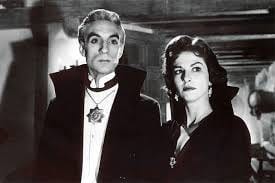
2.- Santa sangre. Dir. Alejandro Jodorowsky, Mexico, 1989.
Produced by Claudio Argento, Dario's brother, this could be a giallo by the numbers, but it ends up being one of Jodorowsky's best films, one in which he managed to include a delirious, madness-filled Mexico City. A traveling circus, an armless saint, Garibaldi as the epicenter of evil, and characters straight out of the worst nightmares. And in the background, the mambo Caballo negro playing at full blast.
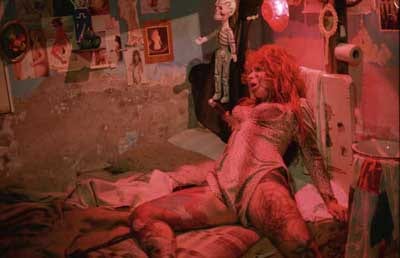
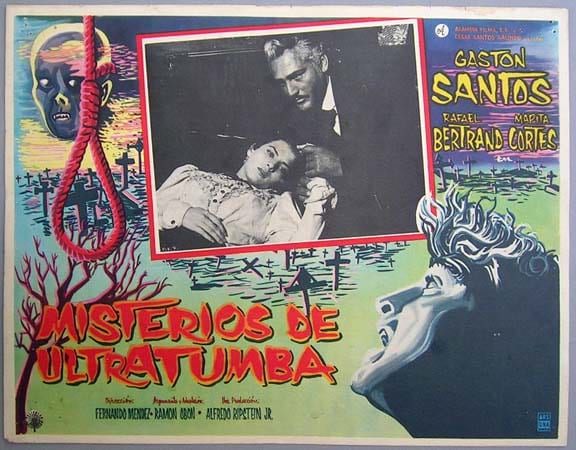
1.-Misterios de ultratumba. Dir. Fernando Méndez, Mexico, 1958.
The third film by Méndez on this list. With a screenplay by Ramón Obón and incredible set design by Gunther Gerszo, this film has all the hallmarks of what would be a Hammer film, only better. The dilemma of science versus religion is resolved violently when two scientists make a pact to come back from the dead to tell each other the mysteries beyond the grave. The camera work, Carlos Ancira's performance, the makeup—everything makes this film a memorable event.