1 APR 2019
#ExpedientesMacabros: 200 Years Since the Publication of "El Vampiro"
By: Casandra Vicario
Today, this Macabro file opens to remember a tormented, repressed, melancholic soul. Thanks to him and his text “El Vampiro,” the figure of the aristocratic bloodsucker emerged—yes, the one who mingles in high society, with a seductive gaze, wildly successful with women, with money, with power.
We're talking about Dr. John William Polidori. In many texts about vampires, you'll find that they strip him of his title of Doctor, but we won't—so we'll refer to him with the respect he deserves.
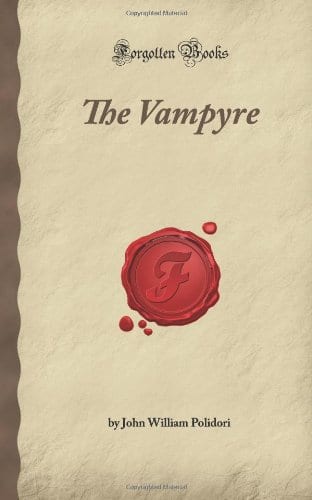
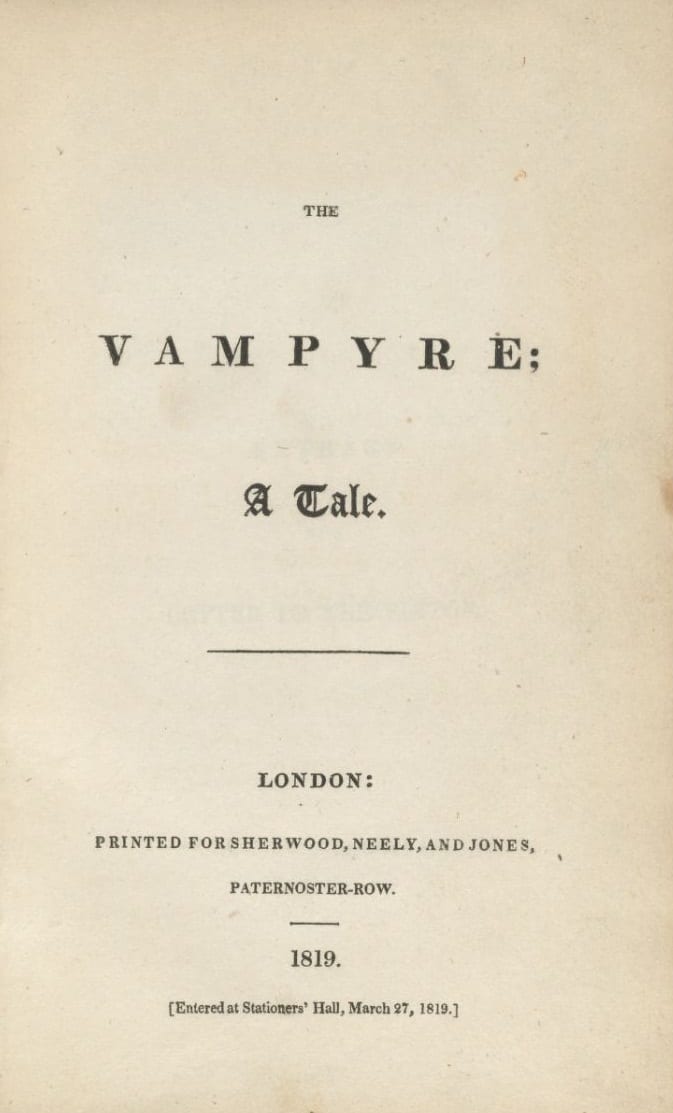
And it just so happens that on a day like today, April 1st, but in 1819, the text was published for the first time: “The Vampire. A Tale” Why is it important to talk about Dr. Polidori and “El Vampiro”? Because it is the second text to emerge from that famous night in 1816 at Villa Diodati, where Mary Shelley would write “Frankenstein,” and because vampire literature would also evolve that same night.
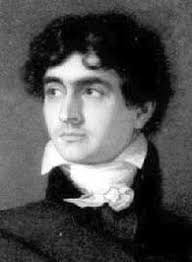
Let's take a trip back in time: Dr. John William Polidori was born in 1795, studied medicine at the University of Edinburgh at the age of 19, and spent his entire life (a short one, by the way) wanting to be a writer, though he never fully dared to devote himself to literature. His doctoral thesis was titled “The Psychosomatic Effects of Somnambulism and Nightmares.”
His medical knowledge led him to work for and become the personal secretary of “his satanic majesty” Lord Byron, and together they traveled through Europe during 1816. The relationship between Byron and Dr. Polidori was not pleasant at all; Byron constantly mocked him and his attempts to become a writer.
Some researchers on the subject, such as Radu Florescu, Tomás Fernández Valenti, and Antonio José Navarro, recount that Byron (who limped due to a contracture in the Achilles tendon of his right heel) constantly referred to Dr. Polidori as “Polly Dolly” or “little Polly doll,” among other cruel anecdotes.
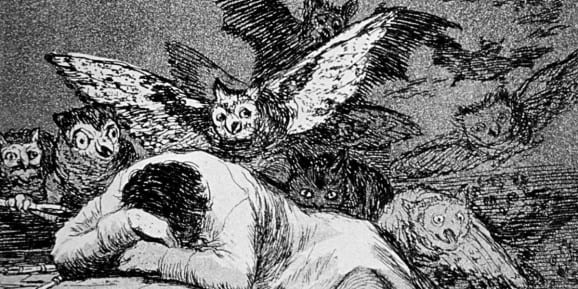
During the famous night of 1816 at Villa Diodati, Lord Byron, Percy Shelley, Mary Shelley, Clare Clairmont, and Dr. John William Polidori gathered, and ended up trapped in the villa for several days due to the terrible weather affecting the area. Very little information exists about what happened on those nights, as many of these figures burned or tore out the pages of their diaries that referred to those evenings.
The same authors mentioned earlier recount that after reading “Phantasmagoriana” (a book that, incidentally, belonged to Dr. Polidori), Byron encouraged his physician and personal assistant to read one of his own texts, titled “Cajetal,” but he couldn't finish reading it, as those present mocked him, so he withdrew to his chambers to cry. All that anger and pain caused by Lord Byron gave rise to the text we now know as “El Vampiro.”
To create the figure of Lord Ruthven, the protagonist of “El Vampiro,” Dr. Polidori drew on the text by Father Dom Augustin Calmet, a very old book titled “Treatise on Vampires,” and in turn, this great literary work created by Dr. Polidori would become the inspiration for other fundamental texts of horror and vampire literature, such as “Carmilla” by Joseph Sheridan Le Fanu, “El Vampiro” by Alexandre Dumas, “Berenice” by Edgar Allan Poe, “The Family of the Vourdalak” by Tolstoy, and of course “Dracula” by Bram Stoker.
But life and its circumstances would continue to torment Dr. Polidori, because “The New Monthy Magazine”, published “El Vampiro” under the name of Lord Byron, for unknown reasons, even though the Doctor himself clarified that the text was his own work.
There are those who dare to claim that, motivated by hatred, Dr. Polidori stole from Byron the idea that would give rise to this famous bloodsucker tale, while others, like Goethe, wrote that “El Vampiro is the best work written by Lord Byron” (even though it wasn't written by him).
Dr. John William Polidori developed paranoid psychosis, was a gambling addict and a repressed homosexual, and ultimately took his own life by drinking acid. But before that, he was able to see his vampire translated into French, Spanish, German, and Swedish. He also had the chance to enjoy it on stage and to inspire Heinrich Marschner to create the opera “Der Vampyr.” He was 26 years old when he died.