31 MAR 2017
#LetrasMacabras: Amparo Dávila. The Altered Psyche, Uncertainty and Mystery.
By: Diego Vilchis @silens_aeternum
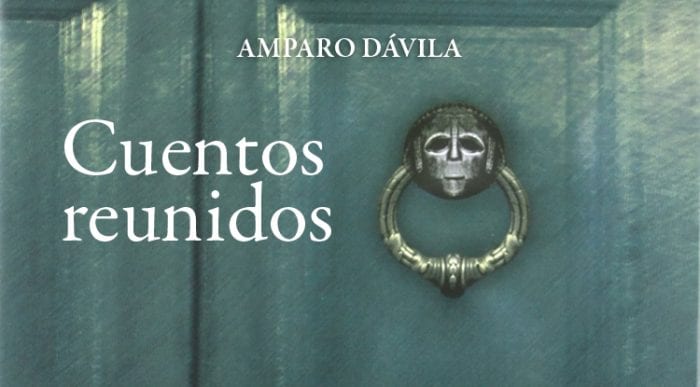
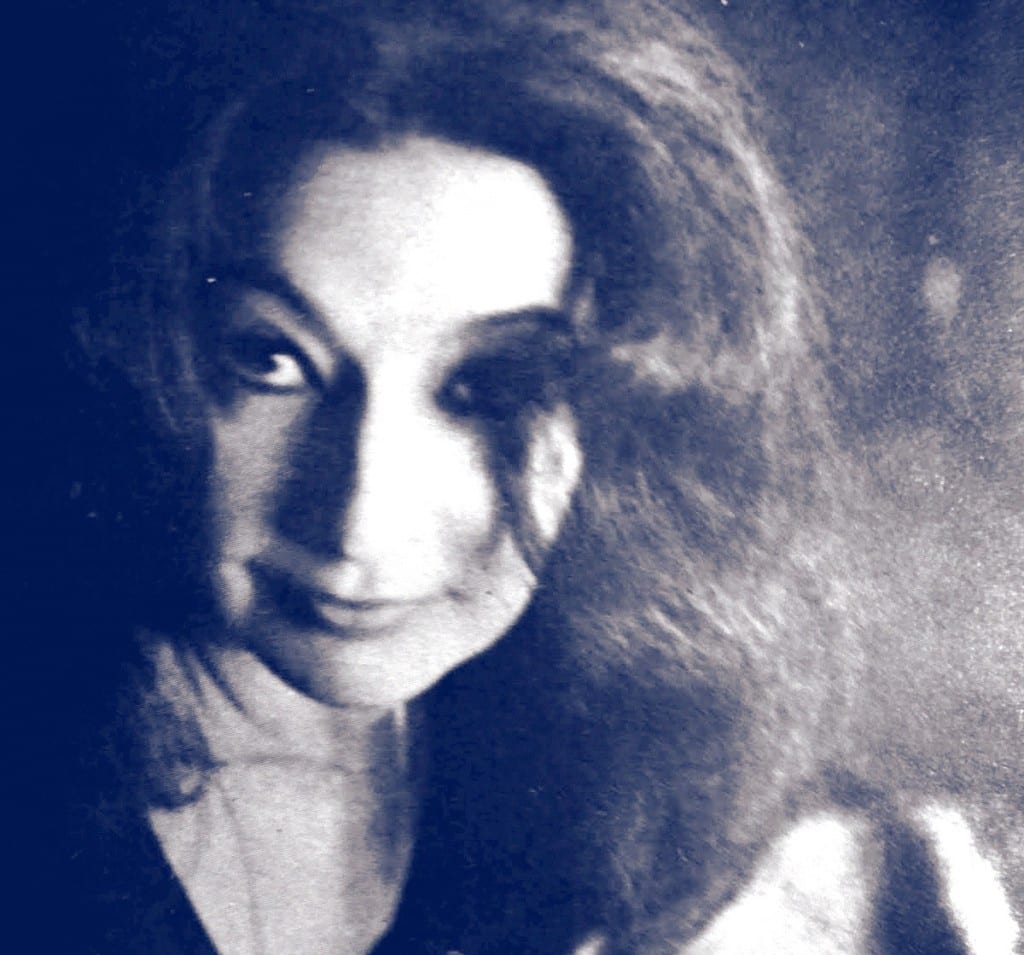
In 1959, the Fondo de Cultura Económica published Tiempo destrozado, the first of three books of fiction written by Amparo Dávila. It offers a glimpse into one of the most significant currents of fiction in Mexican literature, and above all. We are also talking about one of the writers who, in the effort to re-establish fantastic literature, emerged from the shadows in which interest in the genre also resided.
Born in 1928 in Pinos, Zacatecas, Amparo moved to Mexico City at the age of twenty-four, working as secretary to Alfonso Reyes. It would not be until the appearance of her third collection of short stories, Árboles petrificados (1977), for which she would receive the Xavier Villaurrutia Prize. A little more than thirty years passed before she received a tribute at the Palacio de Bellas Artes (2008).
Throughout her body of work we find unsettling elements, glimpses of the incomprehensible and the lurking, that which permeates the fibers of the limits of reason and embeds itself in the perception of reality. Through mostly female characters, we sometimes find the oneiric, the sinister, and the disturbing hidden within or as part of everyday life, within existential or personal dilemmas, unraveling the threads of perception. Something inserts itself, takes hold, and begins to alter the familiar, to distort it. At times there will never be certainty about what is happening or why: this is the function of the hidden, of the uncertain as a sheltering shadow. Amparo Dávila gives us an atmospheric literature whose defining traits lie in the psychological and the emotional.
Thus, for example, in “El huésped” (from her first book) we find an unknown presence that, within the frivolous relationship of a married couple, begins to watch and stalk until it manifests violently; “La quinta de las celosías,” a story steeped in the Gothic tradition par excellence, embarks on the mystery surrounding a woman with a particular interest in the process of death; “Música concreta,” from the book of the same name (1964), is the growing paranoia of a woman provoked by the gaze and sound of something that does not seem human; “El patio cuadrado,” from Árboles petrificados, is a kind of nightmare across different settings that seems to have no end, save for anguish or horror.
Reviewing the work of Amparo Dávila is a necessary look back at one of the most outstanding manifestations in contemporary Mexican literature. It is a dark perspective that dwells in the unsettling nature of its own being, waiting to reveal itself as a glimpse of the uncertainty before which we are at its mercy.