12 JUN 2017
#LetrasMacabras Bram Stoker: On Dracula, and Beyond the Vampire
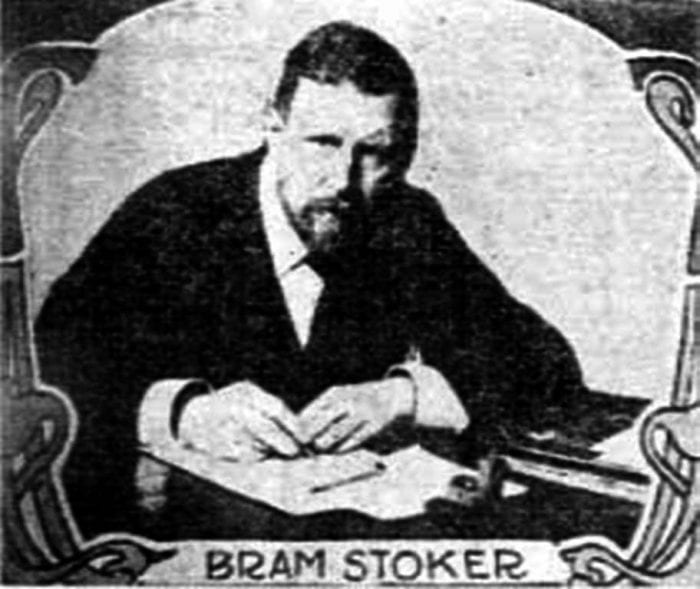
By: Diego Vilchis (@silens_aeternum)
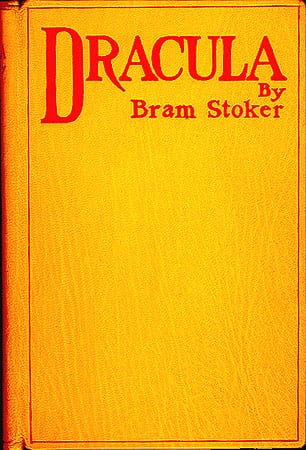
On May 26, 1897, one of the foundational novels in the history of literature was published. Dracula, written by the Irish author Abraham (Bram) Stoker, is the preferred and foundational reference for the archetypal structure of one of the most popular figures in horror literature: the vampire.
It is not, however, the first work of literature about the undead: even before it, from the depths of Romanticism, came The Vampyre (1819), by John William Polidori — from that same gathering where Mary Shelley built her modern Prometheus, Frankenstein —, or La mourte amoureuse (1836), written by Theophile Gautier; the most significant, however, would be Carmilla (1871), that seductive, dark female figure who emerged from the mind of Joseph Sheridan Le Fanu.
Influenced by those literary wastelands, and as the result of seven years of research into European folklore, Stoker built a character with unique traits: he is the rupture at the boundary between life and death, a void whose earthly presence heralds the storm announced by nocturnal howls — behold the children of the night! — He is not merely a creature of the night. He is the night. He is the darkness. Or at least, a corporeal representation of it. His name, taken from that famous historical figure of Romanian resistance against the Ottoman Empire at the end of the Middle Ages, became like the breath that gives life to the golem: draculea, the son of the dragon (Vlad Tepes was the son of a member of the Order of the Dragon), or the son of the devil. Dracula.
The anticipation generated by the work published by the man born in Clontarf in 1847 came a few years after its release, turning it into his masterpiece, an essential reference point linking Stoker to the world of letters. However, Dracula was not his first book. In fact, his first interest in artistic pursuits appeared in theater criticism, work he did for the Dublin Evening Mail (of which Le Fanu was co-owner). That is how he came to meet Henry Irving, having reviewed his Hamlet (1876). From then on, the actor and the writer became friends.
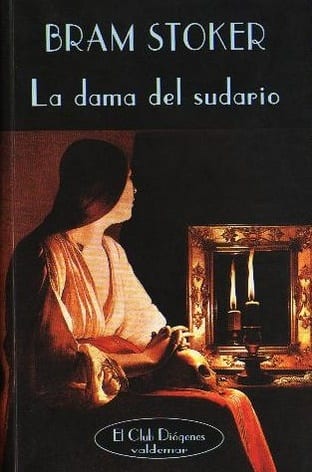
In fiction, his fondness for horror also emerged before Dracula. This is shown by The crystal cup, a story published in 1872 for the London Society. Likewise, The dualists (1887), a story about twins, for The Theatre Annual, as well as The judge’s house (1891), of a supernatural bent, which was later collected in Dracula’s guest and other weird stories (1914). Also among his novels are The lady of the shroud (1909) and The lair of the White Worm (1911), both written just a few years before his death, and which, like Dracula, intertwine the Gothic and the fantastic, one last macabre breath from Stoker's imagination. His first novel, The Snake’s pass (1890), is based on the legend of Saint Patrick and his victory over the King of the Serpents, in Ireland.
Among the few works outside the genre is a collection of stories for children, Under the sunset (1881), as well as Personal reminiscences of Henry Irving (1906), which he wrote after the death of his friend and actor.
Bram Stoker's literary work extends a little beyond the somber coffin from within which the voice of darkness emerges. Beyond those shadows, it is worth delving through the pages of his legacy, from which other visions of terror of his own emerge.